August can be peak tomato season, a final sowing window, or too hot for reliable lettuce germination. The useful distinction is how much suitable growing weather remains. This guide assumes a temperate Northern Hemisphere garden; use local Extension planting dates and current conditions to adapt it to your climate.
August tasks
Reserve space for crops that need planting now
Walk the garden with your fall planting list. Identify which crops need a bed this week, which can wait, and which no longer have time to reach the intended harvest stage. A productive tomato can stay; a failing cucumber occupying the only suitable seedbed may need to go.
- Choose the harvest stage: baby leaves need less time than full heads or storage roots.
- Check the maturity definition: broccoli dates usually start at transplanting; carrot dates generally start at sowing.
- Allow for autumn slowdown: shortening days and cooling soil extend many packet estimates.
- Make small successive sowings while the local window remains open; mark each with its date and variety.
Do not use August 5 or August 15 as universal cutoffs. Some northern gardens are running out of time for full-size roots; many southern gardens have substantial cool-season planting ahead.
Establish transplants without waterlogging them
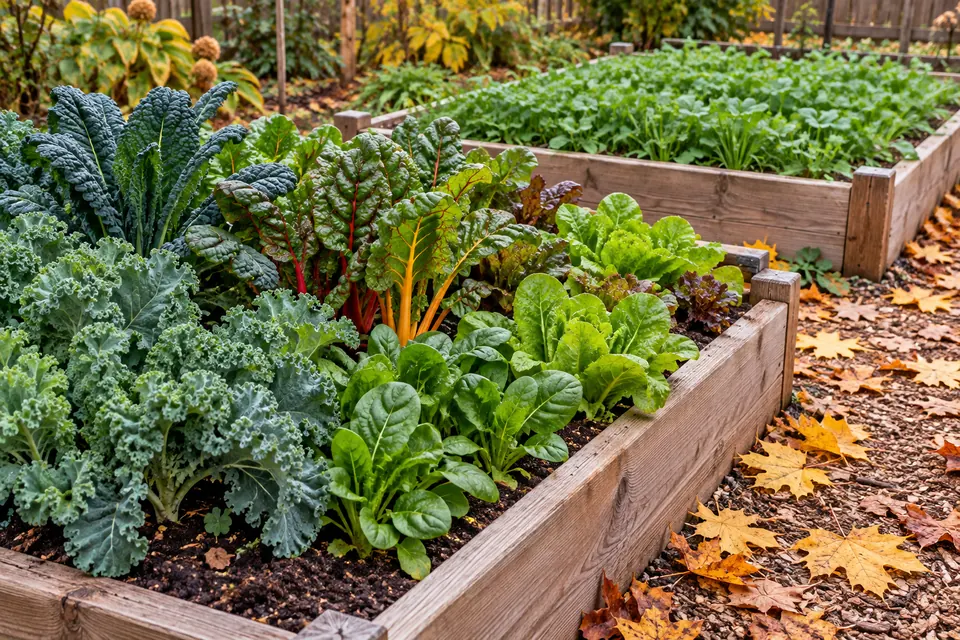
Choose stocky broccoli, cabbage, and kale starts with healthy roots and clean leaf undersides. Avoid plants with yellowing lower leaves, severe root circling, or established aphid colonies. Moisten the root ball before planting and water the surrounding soil thoroughly afterward.
Plant during a cooler part of the day. Check the root ball daily until plants establish, watering when needed rather than automatically soaking the bed every day. Use temporary afternoon shade during severe heat, with room for air to move underneath. Follow the cultivar's spacing; crowded plants compete for limited autumn light.
Assess summer plants by remaining value
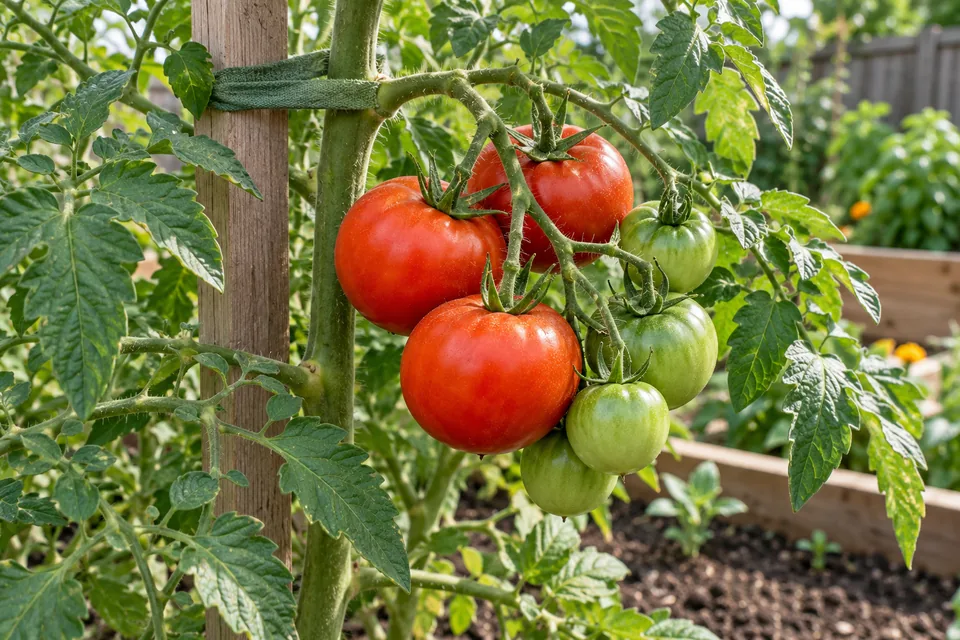
Keep healthy foliage and developing fruit when warmth remains for a worthwhile harvest. Tomatoes and peppers that stopped setting fruit during extreme heat can resume once conditions improve. Low August yield alone is not a reason to pull them; compare recovery prospects with the value of the crop waiting for that space.
Remove plants with severe, confirmed disease or extensive collapse. Before clearing an unfamiliar problem, photograph the whole plant, affected leaves, stem base, and roots if visible. Those details help an Extension adviser distinguish disease from drought, waterlogging, or stem injury.
Prepare for weather changes
Check supports after storms and secure heavy fruiting branches before they split. Where an early frost is possible, locate covers, hoops, and clips now. Fit covers so their edges reach the ground, and inspect them for holes. Frost protection varies with material, wind, installation, soil warmth, and cold duration; a claimed temperature gain is not a guarantee. Ventilate or remove covers when sun makes them too warm.
Maryland's weather and pest protection guide explains how to choose and manage covers. Lightweight insect netting and insulating frost fabric serve different purposes.
Fall planting decisions
Calculate a planting window, not an absolute deadline
Use a local fall calendar first. Average frost dates describe risk, while the crop's tolerance and the season's remaining light determine useful growth. Established spinach may survive a cold spell that kills beans, yet produce little new leaf afterward.
- Set a realistic harvest target using local guidance and the crop's intended stage.
- Subtract the variety's maturity estimate. Confirm whether it starts at sowing or transplanting.
- Subtract an autumn allowance. Maryland Extension uses an additional 14 days for shorter days and cooler temperatures; local recommendations may differ.
- Include nursery time separately if you still need to grow transplants from seed.
- Check establishment conditions. A date on paper cannot make hot, dry soil suitable for spinach.
Example: A target harvest of October 15, minus 45 days to maturity and a 14-day fall allowance, points to sowing around August 17. This is a planning estimate, not a promised harvest date. A crop listed at 45 days from transplanting requires an established transplant on that date.
See Maryland's fall planting calculation for the reasoning behind the allowance, or let the fall planting calculator count back from your first frost date.
Choose crops that fit the remaining season
- Leaf lettuce, arugula, mustard greens, and baby kale: useful choices when a full-size crop is unrealistic. Check baby-leaf and mature-plant dates separately.
- Spinach: sow as soil cools enough for reliable germination. A later planting may be intended for overwintering rather than a substantial autumn harvest.
- Radishes and salad turnips: choose fast varieties, thin promptly, and sample roots before they become coarse. Winter radishes need a different schedule from small spring types.
- Beets and carrots: direct-sow early enough to allow root development. Carrots need particular attention while the shallow seedbed is drying quickly.
- Broccoli, cabbage, and cauliflower: healthy transplants may still fit a local August window. Starting seed now is a different calculation and is often too late in short-season regions.
- Parsnips, large winter squash, and melons: usually poor choices for a new late-summer sowing where frost is approaching. Reserve the bed for something that can finish.
Minnesota's midsummer planting guide compares crop maturity ranges and cold tolerance. Apply its crop distinctions with dates suited to your region.
Keep a new sowing alive through emergence
Water dry soil before sowing so moisture extends below the seed layer. Rake out large clods, plant at the packet depth, firm gently, and water with a fine spray. Keep the seeded layer evenly moist; a light surface sprinkle is useful during germination but cannot support an established crop indefinitely.
Suspend temporary shade above heat-sensitive sowings, leaving the sides open. Lettuce can be started in a cooler, well-lit location and transplanted; spinach generally performs better when directly sown into suitable soil. Check daily for emergence, crusting, slug damage, or washed-out rows. After emergence, remove unnecessary shade and thin to the intended spacing.
Record a failed sowing before replacing it. Dig carefully in one gap to distinguish dry seed from rotting seed or seedlings lost after emergence. Correct the cause, then check whether enough time remains to resow. Repeating the same sowing into the same conditions wastes the remaining window.
Summer crop management
Keep tomato leaves that still earn their space
Healthy leaves supply ripening fruit and protect it from sunscald. Remove damaged leaves selectively during dry weather; do not strip every plant below its first fruit cluster or heavily expose fruit in August heat. Continue supporting loaded stems and collecting fallen fruit.
Heat-related flower drop can leave a gap in production before new fruit appears. Check for fresh flowers and developing fruit after temperatures moderate. Maryland's fruit-set guidance explains why healthy tomatoes can recover after a hot spell.
Use symptoms to guide the next action
A spotted leaf is evidence to investigate, not a diagnosis by itself:
- Early blight: larger brown spots may show concentric rings, often beginning on older lower leaves.
- Septoria leaf spot: numerous smaller spots typically have dark edges and pale centers; tiny dark fruiting bodies may be visible with magnification.
- Late blight: rapidly expanding, irregular water-soaked or dark lesions can affect leaves and stems; pale growth may appear beneath lesions in humid weather. It is an urgent problem, not an inevitable stage of tomato aging.
- Vascular wilts: persistent wilting and yellowing, sometimes one-sided, can accompany browning inside the stem. Similar symptoms have other causes; cutting a stem does not by itself identify the pathogen.
Use Minnesota's tomato symptom guide and local disease alerts. For suspected late blight, seek prompt confirmation and follow local removal guidance; do not carry uncovered diseased plants through the garden. Maryland's late-blight guidance describes the signs and response.
Leaf removal can reduce infected material but does not cure a plant or replace monitoring. For confirmed soilborne wilt, record the location and choose appropriate resistant varieties next season; a short rotation does not reliably eliminate pathogens that persist for years.
Manage peppers, beans, and herbs for harvest
Pick peppers green when that suits your intended use, leaving selected fruit to reach its mature color. Moderate temperatures may improve fruit set after heat stress, while persistent cold nights slow development. Maintain root moisture and retain sound foliage around fruit.
Harvest snap beans before seeds bulge strongly in the pods. Pole beans may continue producing when an early bush planting is exhausted; variety, planting date, and plant health matter more than the month. Avoid handling wet bean foliage, and remove a finished planting instead of stripping its leaves in an attempt to revive it.
Harvest herbs while leaves are healthy, using clean snips. Take modest amounts from perennial herbs and retain enough foliage for recovery. Avoid severe late-season cutting of woody herbs where cold weather is approaching. Basil needs earlier attention because chilling and frost damage it readily. Dry only clean, sound material with good airflow; discard anything that molds. New Hampshire's herb guide distinguishes annual harvesting from perennial cutting.
Harvest before deciding a crop has failed
Pick marketable produce before clearing a declining plant, then sort it in a separate container from diseased debris. A split but otherwise sound tomato may suit prompt kitchen use; a soft, moldy fruit belongs in disposal. Move the harvest out of direct sun while cleanup continues.
For uncertain plants, set a reassessment date and a concrete threshold: new fruit developing, disease staying confined, or enough harvest to justify the space. Record what changes over the following week. This prevents keeping a failing plant indefinitely while a time-sensitive fall crop waits.
Saving seed from this year's crops
Select plants before processing seeds
Choose vigorous, healthy plants with the flavor, shape, and maturity you want to repeat. Tag them while their identity is certain. Avoid saving from diseased plants: some pathogens travel on or inside seed, and a clean-looking fruit does not guarantee clean seed.
Tomatoes, peas, beans, and lettuce are accessible starting crops because they mainly self-pollinate, but crossing remains possible. Open-pollinated seed is most likely to resemble its parent when pollination has been controlled appropriately. Seed from an F1 hybrid can germinate, but its offspring vary; label it as an experiment rather than expecting the named hybrid again.
For squash, corn, and brassicas, consult crop-specific isolation and population requirements before saving. Neighboring gardens can supply pollen, and some vegetables need a second season before flowering. With squash, crossing affects the next generation's fruit rather than changing the flesh of the squash currently growing.
Match collection to seed maturity
Tomatoes: Collect fully ripe, sound fruit from healthy plants. Separate seeds and gel into a labeled container. A brief fermentation helps remove the gel: inspect and stir daily, then rinse and separate the seeds once the gel breaks down, generally after a few days. Do not prolong soaking until seeds sprout. Fermentation is not a dependable treatment for every seedborne disease.
Beans and peas: Mark a few pods to leave beyond eating maturity. Collect when pods are dry and seeds are firm; finish drying under cover if prolonged rain threatens. Keep different varieties separate during shelling.
Lettuce: Leave selected healthy plants to flower. Collect mature, dry seed heads in stages rather than waiting for every head to ripen and shed its seed. Keep the label with the plant and its drying container.
Minnesota's seed-saving guide covers crop selection and disease concerns; Penn State's processing guide explains fermentation and drying.
Dry, label, and check before storage
Spread cleaned seed thinly in a ventilated, shaded place. Drying time varies with seed size and humidity; a week on a damp windowsill is not proof that seed is ready to seal. Remove chaff and discard moldy seed. Package dry seed by variety and include the harvest year, source plant, and any pollination uncertainty.
Store packets cool and dry inside a sealed container. If refrigerating, let the closed container warm before opening so condensation does not form on cold seed. Keep a small sample for a germination check before relying on the batch for next year's main sowing. Record the number tested and the number that sprout; a vague note that the seed “looks good” is not a useful viability record.
Watering through the transition
Separate leaf wetness from root moisture
Dew on leaves does not tell you whether the root zone needs water. Lift mulch and inspect soil beside several representative plants. Check containers separately: a cool morning can follow a drying wind, and a shower may barely wet a crowded pot.
Keep moisture consistent around germinating seed, new transplants, enlarging roots, and fruiting crops. Reduce irrigation only when soil checks and weather justify it. Cool weather does not automatically mean adequate rainfall. Apply water slowly enough to infiltrate, then inspect below the surface to confirm that it reached the active roots.
University of Minnesota's irrigation guidance explains why plant stage and soil moisture are more useful than a fixed calendar schedule.
Shorten unnecessary leaf-wetness periods
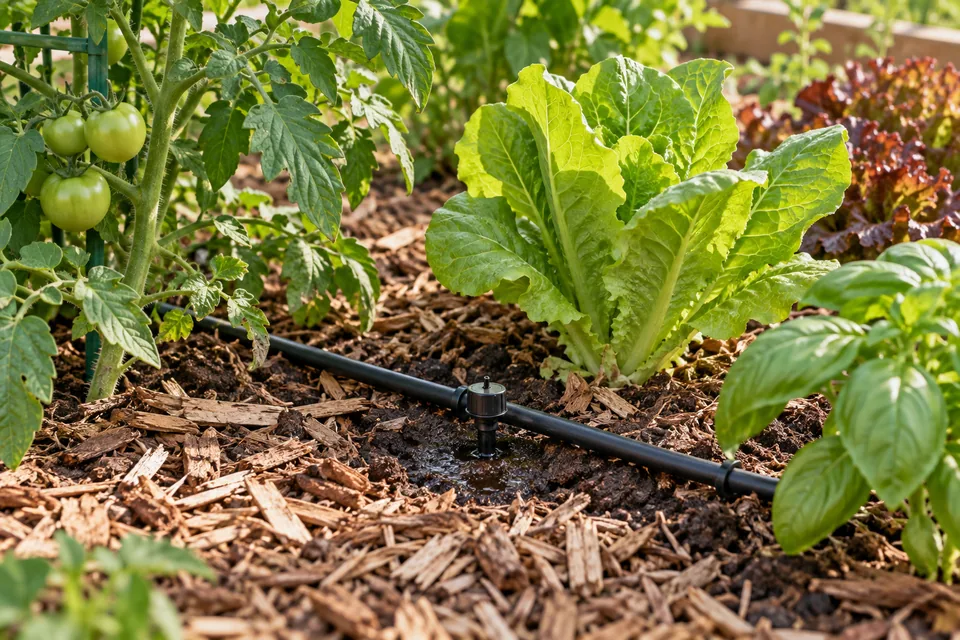
Use drip irrigation or water near soil level where practical. If sprinklers are needed, water early enough for foliage to dry during the day; existing morning dew is not a reason to postpone necessary watering until evening. Keep leaves from resting on wet soil and retain enough spacing for airflow.
Inspect drip lines after clearing a crop. Cap unused outlets, reposition emitters for the new rows, and check both the beginning and far end of the system. Maintain loose mulch around established plants, leaving stems, crowns, and small seed rows clear. A wet mat against seedlings can shelter slugs and obstruct emergence.
Preparing the next bed
Clear with the following crop in mind
Remove crop residue, fallen fruit, and weeds before preparing a new seedbed. Keep seeding weeds and heavily diseased material out of a casual cool compost pile. Healthy fine roots can remain where they will not obstruct sowing. Clean soil from stakes and tools before disinfecting equipment used on diseased plants.
Check whether the next crop belongs to the same family as the one removed. Moving from tomatoes to peppers does not provide a family rotation. Use diagnosed disease history to guide placement, and record the decision on a bed map. Do not add a fresh full dose of fertilizer automatically; account for earlier applications and the following crop's needs.
Give every cleared area a destination
If another vegetable cannot establish in time, choose a locally suitable cover crop or apply clean mulch. Check how the cover crop will be removed before spring planting; a vigorous winter survivor requires a termination plan. Keep paths usable and water accessible while nearby summer plants remain in production.
Label newly planted rows and mark any temporarily empty space. Note the previous crop, sowing date, emergence date, and first useful harvest. Those records reveal whether next year's changeover needs to happen earlier, whether a different variety would help, or whether that bed becomes too shaded as the sun lowers.
Late-season pest management
Scout the crop rather than assuming pressure declines
Inspect leaf undersides and growing points at least weekly, and check vulnerable seedlings more often. Aphids, caterpillars, mites, and slugs can remain damaging well into autumn. Record fresh damage and active pests; old holes alone are not a reason to treat.
Hornworms: Look above fresh droppings and stripped tomato stems. Handpick ordinary caterpillars; leave those carrying white wasp cocoons so the beneficial wasps can emerge. Where treatment is needed, a labeled Bt kurstaki product works best against young feeding caterpillars and must be eaten. Follow the crop label and harvest interval. Minnesota's hornworm guide illustrates parasitized caterpillars.
Powdery mildew: White powdery patches on squash foliage warrant closer inspection. The disease does not require dew-wet leaves to establish; airflow, resistant varieties, and early recognition matter. Preserve healthy leaves that shade fruit. Angular yellow patches with dark growth underneath suggest a different problem, including downy mildew, and need a separate diagnosis.
Seedling pests: Inspect transplants before fitting insect netting, then secure the edges. A cover can trap existing caterpillars or aphids inside. Where seedlings disappear overnight, look for slugs, feeding trails, and hiding places before blaming poor germination.
Avoid Japanese beetle shortcuts
Handpick adult beetles into soapy water during cool, less active periods. Baited traps can attract beetles into the planting and increase feeding damage, so they are a poor default for protecting a home garden.
Treat lawn grubs as a separate decision: confirm damaging numbers and identify the grub before choosing a control. Adult beetles can fly in from elsewhere, so treating your turf does not guarantee fewer beetles on vegetables. Milky spore has performed inconsistently in field trials and should not be presented as reliable long-term control. Beneficial nematodes require the right species, viable material, suitable soil conditions, and correct application timing. Minnesota's Japanese beetle guide explains these limitations.
Sources and further reading
- University of Maryland Extension: Fall vegetable gardening
- University of Minnesota Extension: Planting vegetables in midsummer for fall harvest
- University of Maryland Extension: Vegetable garden weather and pest protection
- University of Minnesota Extension: Saving vegetable seeds
- Penn State Extension: Seed saving basics
- University of Minnesota Extension: Managing plant diseases in the home garden
- University of Minnesota Extension: Powdery mildew of cucurbits
- University of Minnesota Extension: Japanese beetles in yards and gardens