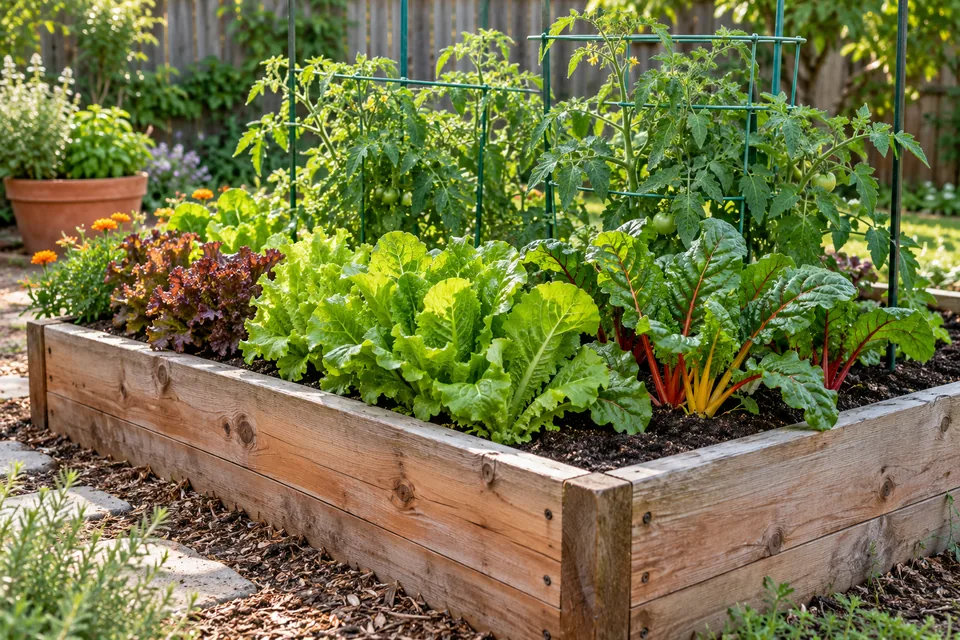
 Beginner guide
Start a vegetable garden without overcomplicating it
Choose a workable site, build one manageable bed, and plant a first season you can actually maintain.
Read the guide →Good advice, grounded in the garden
No miracle cures. No intimidating jargon. Just practical guidance that helps you understand your soil, read your plants, and make the next right move.
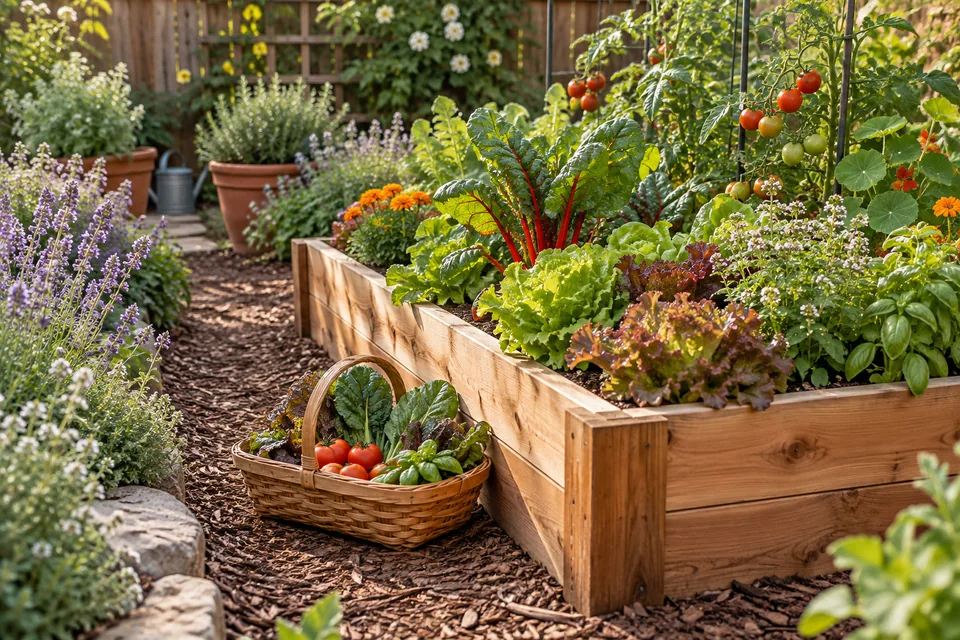
Our promise: we explain why a technique works, when it does not, and how to adapt it to your climate and space.
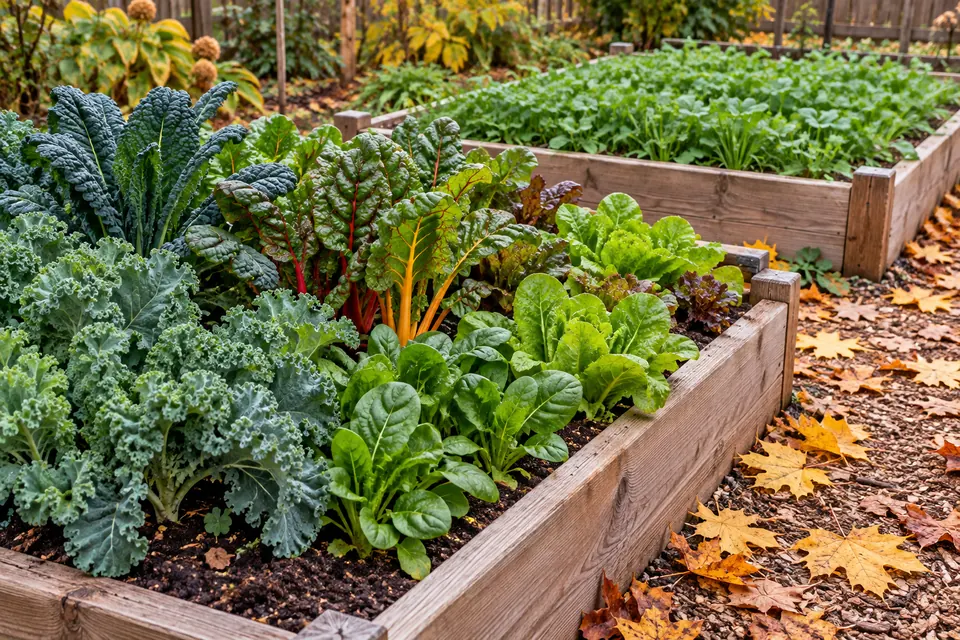 October
This month in the garden
Harvest final crops, protect tender plants, plant garlic and cover crops.
Planning ahead? November tasks →
Start here
Healthy gardens are built on a few repeatable skills: observing, improving soil, watering deliberately, and choosing plants that fit the place.
Beginner guideChoose a workable site, build one manageable bed, and plant a first season you can actually maintain.
Read the guide →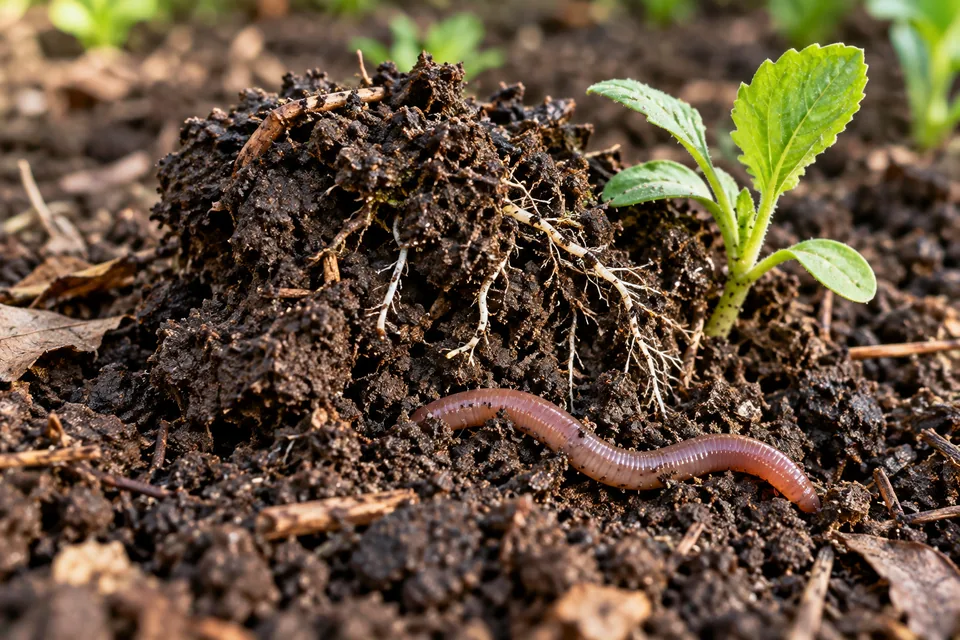 Soil school
Learn what texture, organic matter, drainage, and soil tests can—and cannot—tell you.
Read the guide →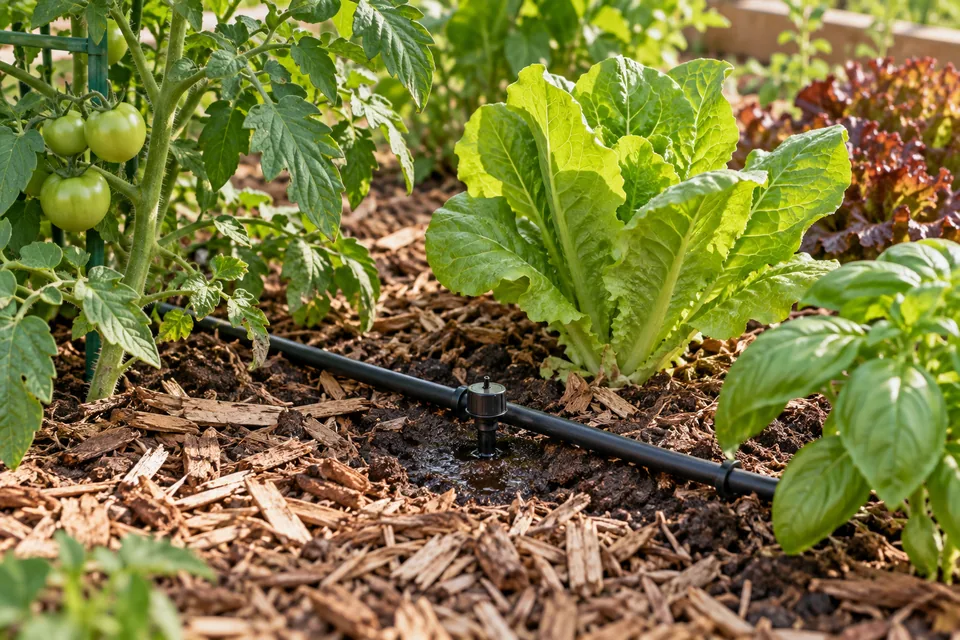 Water wisely
Replace the daily sprinkle with a simple approach based on soil, weather, and plant stage.
Read the guide →The Guru method
Plants rarely need more products. They need the right conditions and a gardener who notices what is changing.
Sun, wind, drainage, and space set the limits. Work with them instead of trying to overpower them.
Organic matter, roots, and patient cultivation create a living foundation that becomes easier to manage.
Identify the actual problem, choose the least disruptive response, then give the garden time to answer.
The field library
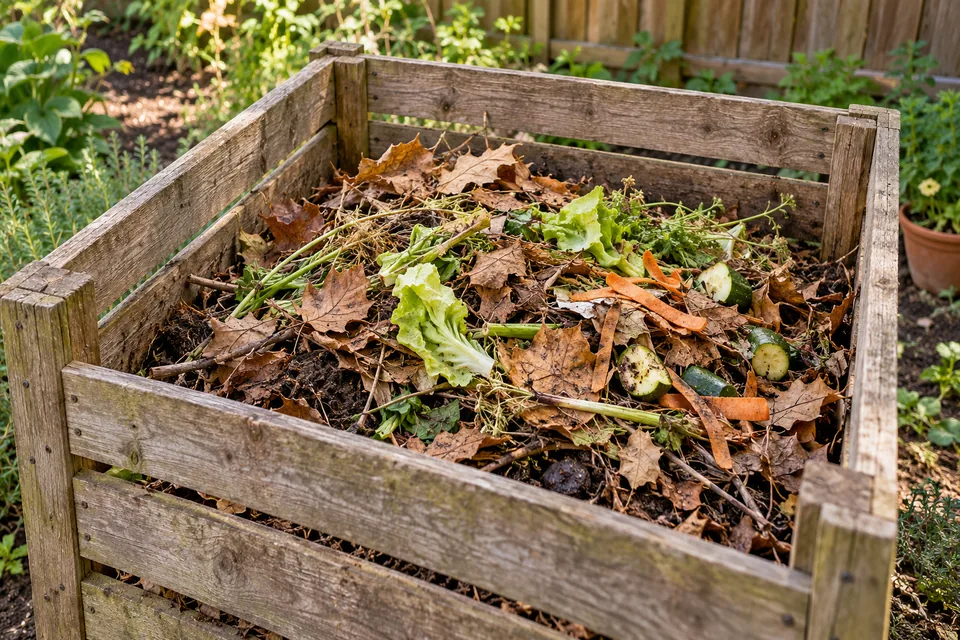 Compost
Balance moisture, air, greens, and browns without turning your pile into a chemistry project.
Make better compost →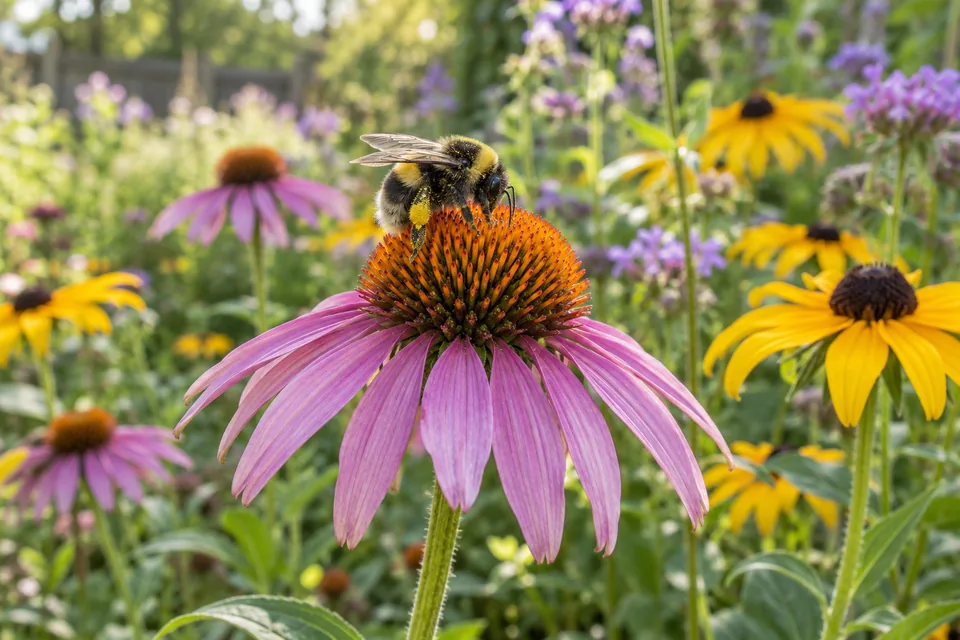 Wildlife
Layer bloom times, flower shapes, shelter, and water to support more than one charismatic species.
Welcome pollinators →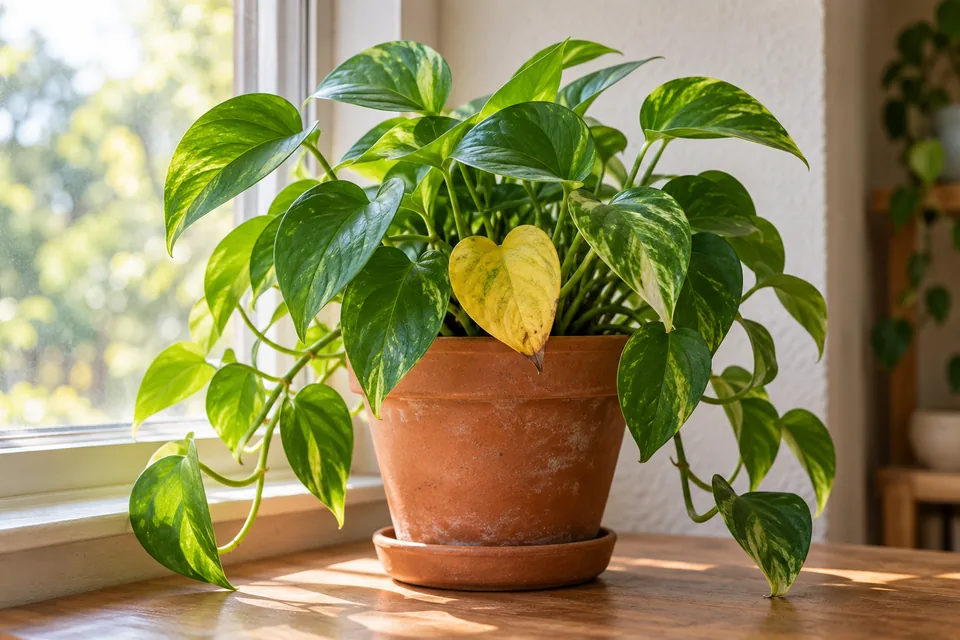 Houseplants
Use pattern, position, soil moisture, and recent changes to narrow the cause before reaching for fertilizer.
Diagnose yellow leaves →A better growing season
Our seasonal planner turns a year of garden work into small, well-timed observations and decisions.